Spreadsheet quoting looks free but carries five hidden costs: slow responses that lose deals, formula and pricing errors that leak margin, dependence on one or two people who understand the file, engineering time spent on quotes that never convert, and quote data that cannot be analysed. Together these usually cost far more than a proper quoting system.
Key takeaways
■ The costs of spreadsheet quoting are real but invisible, because nobody records the deals lost or the margin given away.
■ A single formula error copied across versions can affect every quote built from that file.
■ The “only one person understands this spreadsheet” problem is a business continuity risk, not an inconvenience.
■ If you cannot answer “what is our win rate by product line?”, your quoting data is not working for you.
Why spreadsheets became the default
Excel is flexible, familiar and already paid for. For a manufacturer with a handful of simple products, a spreadsheet quote is perfectly reasonable. The trouble starts when products become configurable, when more than one person quotes, and when the file has been copied, extended and patched for years. By then the spreadsheet is not a tool; it is an undocumented system that the business depends on.
Hidden cost 1: deals lost to slow responses
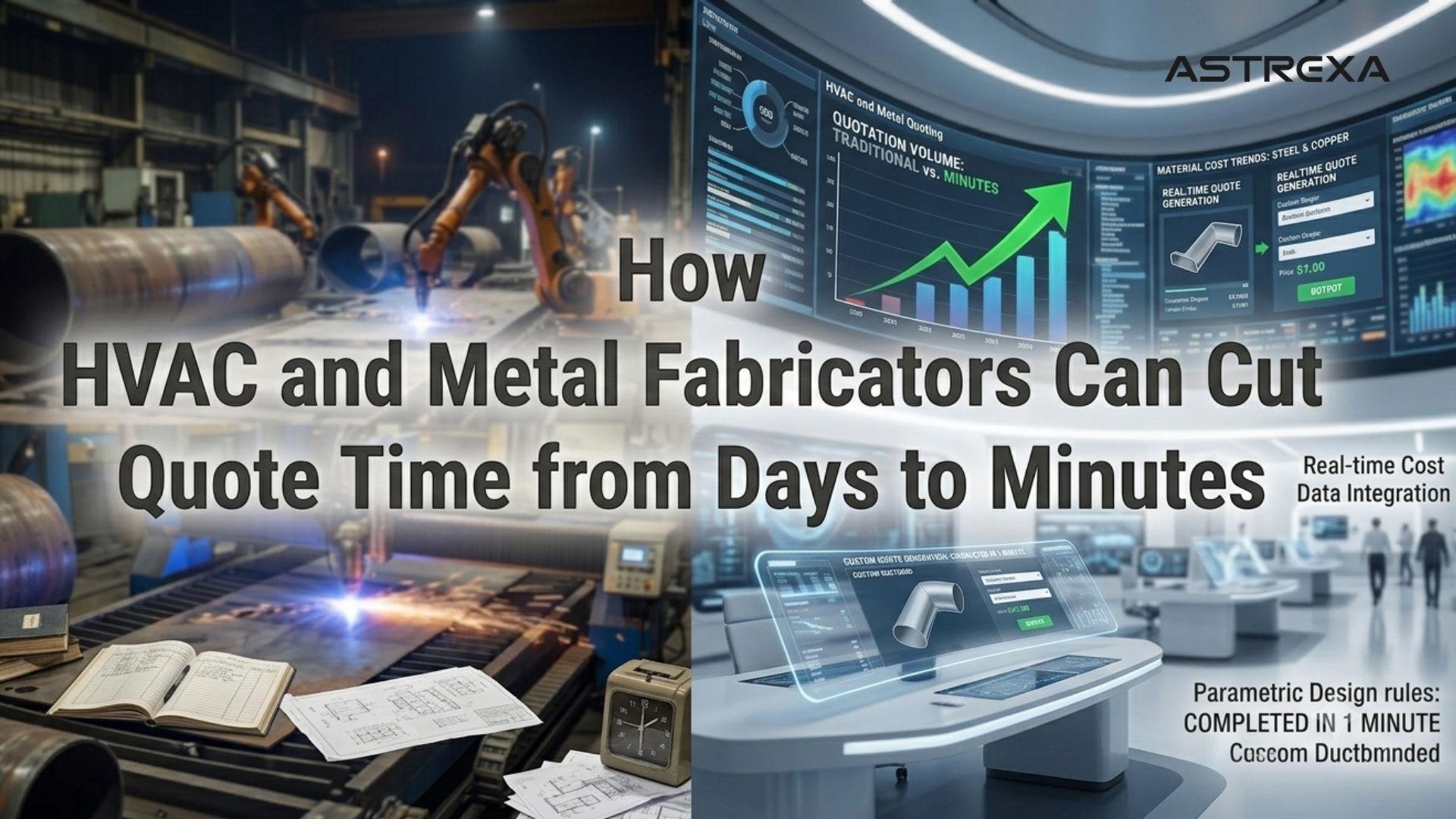
If a quote takes two or three days because someone has to rebuild calculations, some buyers will have already chosen a supplier who replied the same day. These losses rarely appear in reports — the enquiry simply goes quiet. Measure your average response time for a month; it is often longer than anyone assumes.
Hidden cost 2: margin leaking through errors
Spreadsheet errors are notoriously common, and quoting files are especially prone to them:
■ A formula overwritten with a typed number, then copied into the next quote.
■ A material price updated in one version but not in the copies people actually use.
■ A row added outside a summed range, so it never reaches the total.
■ Discounts applied without any check against target margin.
Under-priced jobs are discovered when the actual costs arrive — long after the customer has accepted.
Hidden cost 3: the one person who understands the file
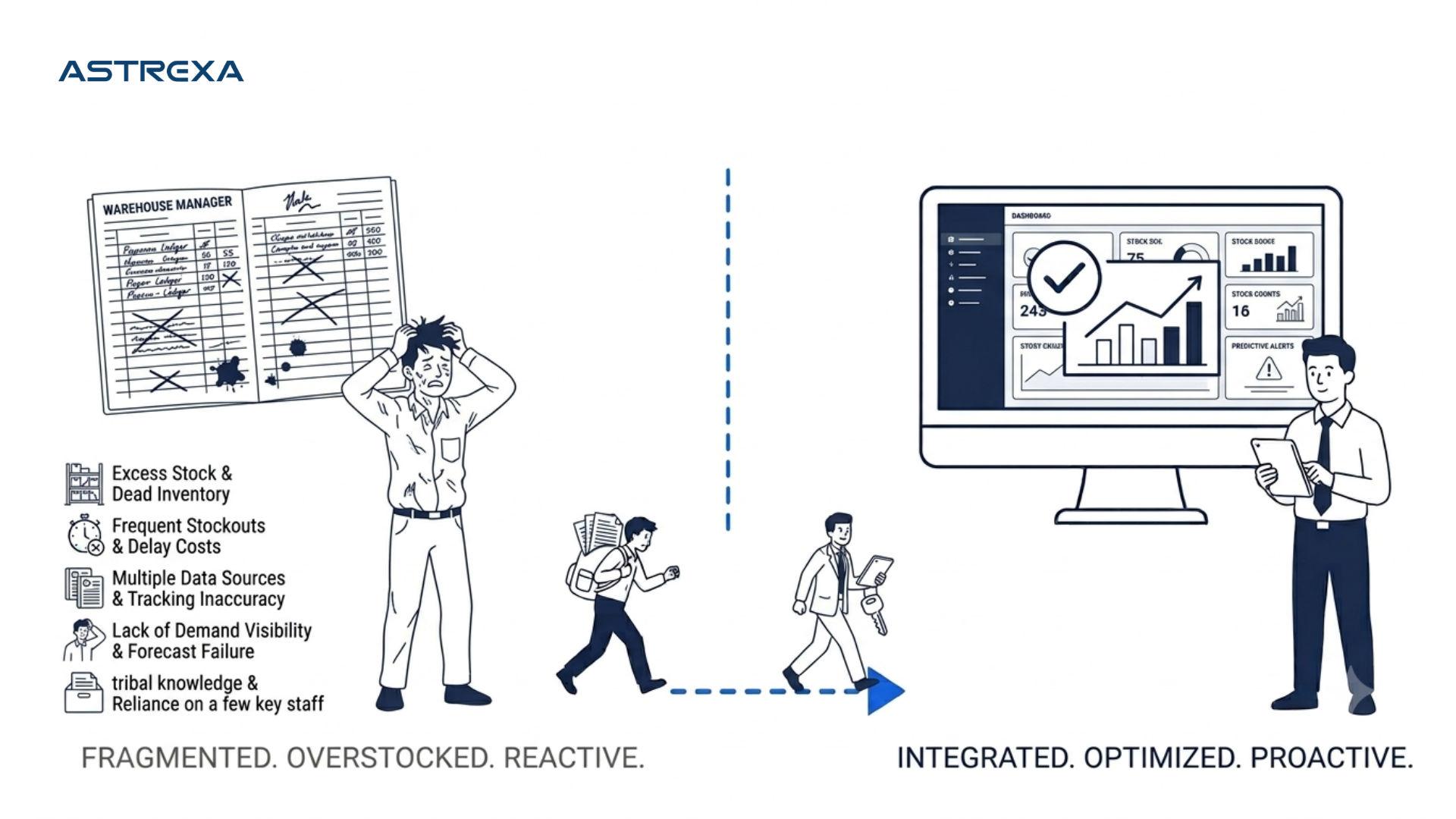
Most manufacturers can name the person who “knows how the quoting sheet works”. When they are on leave, quotes slow down. When they leave the company, the logic leaves with them, and whoever inherits the file spends months reverse-engineering it. That is a continuity risk that deserves the same attention as any other single point of failure.
Hidden cost 4: engineering time on quotes you do not win
When quoting depends on engineers to check feasibility or rebuild bills of materials, your most expensive staff spend a large share of their time on quotes — and most quotes are not won. Every hour spent pricing a lost job is an hour not spent on design, production problems or improving the product.
Hidden cost 5: data you cannot use
A folder of spreadsheet quotes tells you almost nothing in aggregate. Questions every manufacturer should be able to answer quickly are usually impossible:
■ What is our win rate by product line, customer type and region?
■ Which products make the best margin once they are actually built?
■ How long do we take to respond, and does it affect our win rate?
■ Why do we lose — price, lead time, or specification?
What to do about it
You do not need to abandon spreadsheets overnight. A sensible path:
1. Measure response time, revisions and win rate for one month.
2. Identify the product family that causes the most quoting effort.
3. Capture its pricing rules as a parametric BOM, separated from prices and margins.
4. Move that family into a proper quoting system and run it alongside the old method until it is trusted.
5. Expand family by family, and start reporting on win rates and margins.
Frequently asked questions
Is it bad to use Excel for quoting?
Not for simple, standard products quoted by one person. It becomes risky when products are configurable, several people quote, files are copied between versions, and nobody can audit how a price was built.
How common are spreadsheet errors in business?
Spreadsheet errors are widely documented as common, especially in large files built and modified by several people over time. Quoting files are particularly exposed because they are copied and edited for every job.
What should replace spreadsheet quoting?
A quoting or quote-to-cash system that stores pricing rules centrally, calculates bills of materials from parameters, enforces margin controls and approvals, and records every quote for reporting.
How do I measure the cost of our current quoting process?
Track, for one month, the time from enquiry to quote, the number of revisions, the hours spent by engineering on quoting, and the win rate. Those four numbers usually make the case on their own.
Find out what your quoting really costs
We will help you measure your current quoting process and show you what the same work looks like in AI-powered Elevate — with rules, margins and approvals in one place.
Written by
Nilanjan Mukherjee
Chief Executive Officer